Also tell your health care professional if you have any other types of allergies, such as to foods, dyes, preservatives, or animals. For non-prescription products, read the label or package ingredients carefully. Take it as directed on the prescription label at the same time every day. It is best to take this medication 30 to 45 minutes before meals, unless your care team tells you otherwise. Usually the last dose of the day will be taken at least 4 to 6 hours before bedtime, so it will not interfere with sleep. Methylphenidate is a stimulant that treats attention-deficit/hyperactivity disorder (ADHD).
Some people with ADHD have too many dopamine transporters, which results in low levels of dopamine in the brain. https://ecosoberhouse.com/ Ritalin blocks these transporters, keeping dopamine levels at a healthy level and increasing attention, focus, and impulse control. However, Ritalin influences a much higher amount of dopamine to reach receptors in the brain in those who don’t have ADHD. Taking Ritalin can become a learned behavior after repeated abuse, spurring on the compulsion to take the drug regardless of consequences. Ritalin is the brand name for methylphenidate, a Schedule II prescription stimulant that increases dopamine and norepinephrine activity in the brain. These neurotransmitters regulate attention, motivation, and reward, which explains both their medical value and their misuse potential.
Behavioral Therapy
Withdrawal symptoms manifest as depression, fatigue, and severe cravings, leading to a cycle of dependency that develops within just a week of misuse. The dangers of consuming Ritalin in non-prescribed forms like gummies worsen these risks, as users underestimate the potency and addictive nature of the drug when consumed in this manner. Adderall addiction presents with similar symptoms but can also include aggression and paranoia. Treatment for both addictions involves behavioral therapies, counseling, and in some cases, medications to manage withdrawal symptoms. Ritalin is classified as a Schedule II controlled substance by the Drug Enforcement Administration Ritalin addiction (DEA) due to its high potential for abuse and addiction.
ADHD Medication Overview: Stimulants, Nonstimulants & More
Ritalin addiction can manifest after months or even years of taking it. Ritalin is considered to be a Schedule II controlled substance by the Drug Enforcement Administration (DEA) due to its high potential for abuse. Ritalin abuse can occur when a person with no medical need for Ritalin starts taking this drug or if someone with a medical need starts taking Ritalin in high doses beyond their doctor’s recommendation. Ritalin® abuse for performance enhancement or recreation is a growing trend among students, carrying significant risks of addiction and adverse cardiovascular effects. The brain can heal through neuroplasticity, the ability to form new connections and restore balance over time. Professional treatment and support systems provide the structure needed to overcome dependency.
- The stimulant was making kids more alert and more interested in their schoolwork or chores, and that was improving their ability to focus and sustain attention.
- Patients with ADHD often experience improved alertness, better adherence to education tasks, and reduced impulsivity when taking prescribed doses.
- Patients with bipolar disorder may face higher risks, including mania or mood instability.
- Data from emergency settings indicate higher injury rates when stimulants are used during drinking, even when people report feeling sober.
Therapy and Addiction Counseling
The brain craves the focus and energy Ritalin once provided, making relapse common if treatment and support are not in place. Signs of Ritalin abuse can be seen in both behavior and physical health. People might begin taking more Ritalin than prescribed or use it without a prescription, becoming overly focused on getting and using the drug. As tolerance builds, they may need higher doses to feel the same effects, and cutting back can lead to withdrawal symptoms like fatigue, depression, and irritability. Treatment programs for Ritalin addiction often incorporate therapy, such as cognitive behavioral therapy, in order for the individual to learn how to manage symptoms of ADHD without medication.
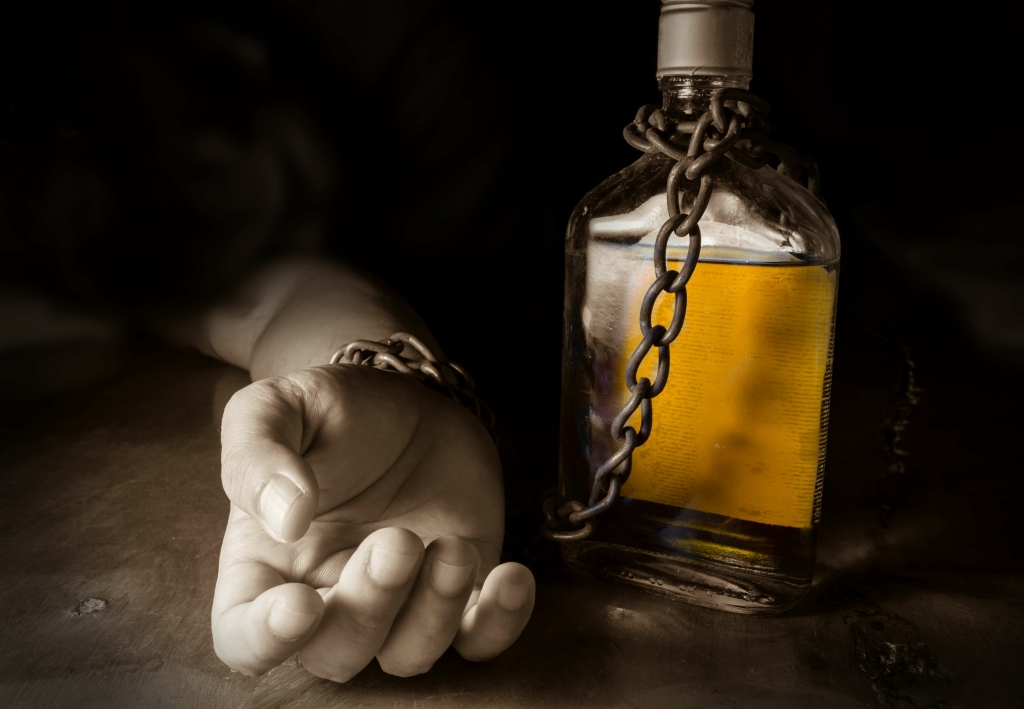
However, Ritalin can induce side effects that are similar to those produced by cocaine and amphetamines. Therefore, if misused, Ritalin has a high potential for abuse and is considered to be very addictive. Ritalin can be an effective medication when used as prescribed for attention deficit hyperactivity disorder.
Related Conditions
As a stimulant, it helps to increase activity in specific areas of the brain that are underactive in individuals with ADHD, leading to improved attention and impulse control. Ritalin is classified as a Schedule II controlled substance, meaning it has a high potential for abuse and addiction. While it is effective when used as prescribed, misuse can cause serious physical and psychological effects, making it a high-risk drug when taken improperly. Just like other stimulants, Ritalin increases the levels of dopamine reaching neuron receptors in the brain. Dopamine is a naturally occurring chemical in the brain essential for activation of the brain’s reward system. The brain’s reward system reinforces behavior that activates dopamine production.
This medication can be abused and cause your brain and body to depend on it after high doses or long term use. Your care team will assess your risk and monitor you closely during treatment. Give your health care provider a list of all the medicines, herbs, non-prescription drugs, or dietary supplements you use. METHYLPHENIDATE (meth il FEN i date) treats attention-deficit hyperactivity disorder (ADHD). However, misuse—such as taking more than prescribed or using it without a prescription—can be harmful and lead to dependency, withdrawal symptoms, and addiction. Ritalin has a high potential for misuse, especially when taken in higher doses or without a prescription.
Treatment for Ritalin Abuse
Withdrawal symptoms upon cessation include fatigue, increased appetite, anxiety, and mood swings, indicating a physical dependence on the drug. These often diminish over time as the body adjusts to the medication. Ritalin comes in tablets and capsules and is mostly prescribed to children and adults for attention deficit hyperactivity disorder (ADHD) or narcolepsy.
How is Ritalin abused?
It works by improving your focus and reducing impulsive behaviors. No, Ritalin and Adderall are different medications, though both are used to treat ADHD. Ritalin contains methylphenidate, while Adderall is a combination of amphetamine salts. Both are stimulants, but they affect the brain in slightly different ways and may have different side effects. After your body rids itself of Ritalin, the next step in the process will be seeking a treatment program to aid you in maintaining your abstinence from this drug. There are multiple options available depending on the severity of your addiction as well as your personal lifestyle.
The Substance Abuse and Mental Health Services Administration (SAMHSA) reports a steady increase in ER visits as a result of severe reactions to overdosing on ADHD medicine, namely Adderall, Ritalin, and Concerta. Recognizing the signs of Ritalin addiction in yourself, a friend or a family member is often the first step in getting help before things get out of control. With the right care, people can and do recover from Ritalin dependency. Avenues Recovery is a community-based drug and alcohol rehabilitation center with locations across the United States. Signs of a Ritalin overdose can appear suddenly and are usually quite severe, affecting various parts of the body.
- In addition to seeing students individually she provides monthly nutrition lectures and shares up to date nutrition information to enhance the quality of life of our students.
- This heightened anxiety often occurs due to the drug’s effects on neurotransmitters in the brain, particularly dopamine and norepinephrine.
- This pharmacological tug-of-war places extraordinary strain on the heart.
Heroin Addiction: Symptoms, Effects, Withdrawal & Treatment
Ritalin addiction causes cumulative physical, psychological, and social harm. Ritalin addiction differs from appropriate ADHD treatment because addiction involves loss of control, tolerance, and continued use despite harm rather than symptom management. Only about 1-2% of users develop Ritalin dependence under medical supervision, according to Jain, R. Et al. 2017 research titled, “Non-medical Use Of Methylphenidate Among Medical Students Of The University Of The Free State” published in The South African Journal of Psychiatry. Long-term abuse of Ritalin can have significant adverse effects on cognitive function. Chronic use may lead to amphetamine addiction treatment memory deficits, decreased ability to concentrate, and impaired decision-making skills.