

The Rise of Indie Games: A Transformative Era in the Gaming Industry
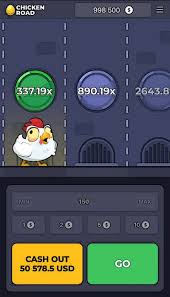
As the gaming industry continues to evolve, one of the most significant trends shaping its future is the rise of indie games. These games, often developed by small teams or individual developers, represent a unique blend of creativity, innovation, and sometimes, a stark contrast to mainstream blockbuster titles. As players seek new experiences beyond the status quo, indie games are stepping up to fill the void. They offer fresh narratives, distinctive art styles, and inventive gameplay mechanics that challenge traditional gaming norms. game is Chicken Road legit is also a question that reflects the curiosity around indie offerings, emphasizing the need for critical exploration in this vibrant landscape.
The Emergence of Indie Games
The journey of indie games can be traced back to the early 2000s when digital distribution platforms like Steam began to emerge. Before this, most games were developed by large studios, often resulting in similar gameplay experiences and narratives. Indie games changed the game development landscape by allowing developers to release their projects independently, removing the constraints imposed by major publishers.
The success of titles like “Braid,” “Super Meat Boy,” and “Fez” showcased the potential of indie games to break into the mainstream conscious. These games often have unique artistic styles, emotional storytelling, and innovative gameplay, which invariably attracts a dedicated audience. As a result, indie games have carved out a substantial market share within the gaming industry, proving that quality and creativity can triumph over budgets and corporate backing.
Innovation and Creativity
One of the defining features of indie games is their capacity for innovation. Independent developers are free from the rigid expectations of large publishers, allowing them to take creative risks that may not fit traditional market trends. This freedom has led to some truly groundbreaking gameplay ideas and storytelling techniques.
For instance, “Journey,” developed by Thatgamecompany, revolutionized multiplayer experiences by allowing players to connect without speaking a single word. Instead, communication was accomplished through musical chimes and visual cues. This work, along with many others, illustrates how indie developers aren’t afraid to think outside the box.
Diverse Themes and Stories
Indie games are often lauded for their rich narratives and the diverse themes they explore. Many indie developers draw upon personal experiences, cultural backgrounds, and social issues to create stories that resonate deeply with players. Consequently, titles like “Celeste,” which touches on mental health struggles, and “Life is Strange,” which encapsulates themes of friendship and choice, offer players powerful narratives that are often missing from blockbuster games.
This push for diversity in storytelling is not just limited to subject matter. Indie games also frequently feature characters from a variety of backgrounds, genders, and orientations, creating a more inclusive gaming environment. This emphasis on representation allows players to see themselves in the games they play, leading to a more immersive and meaningful gaming experience.
The Role of Game Jams
Game jams have become an essential aspect of the indie game scene. These events bring together developers, artists, and designers to create a game in a short time frame, often just 48 hours. This collaborative environment fosters creativity and community, allowing teams to experiment with new ideas and technologies.
Notable games like “Black Snow” and “The Beginner’s Guide” emerged from game jams, showcasing how these platforms can serve as launchpads for innovative projects. Additionally, game jams help build networking opportunities within the indie community, encouraging collaboration and mentorship among budding developers.
The Impact of Digital Distribution
The advent of digital distribution platforms such as Steam, itch.io, and the Epic Games Store has played a pivotal role in the success of indie games. These platforms provide developers with easier access to a global audience, eliminating the need for expensive physical distribution and marketing campaigns traditionally associated with game releases.
Furthermore, the rise of user-generated content on platforms like YouTube and Twitch has allowed indie games to gain visibility quickly. A single streamer playing an indie title can spark interest and sales overnight, illustrating the symbiotic relationship between indie developers and content creators.
Challenges in the Indie Game Landscape
Despite the success and growth of indie games, the journey is not without challenges. Developers often face financial struggles, resource limitations, and market saturation. With thousands of indie games released annually, standing out in a crowded marketplace can be daunting.
Additionally, the pressure to continuously innovate can lead to burnout among developers, particularly when they feel they must meet high expectations set by their successful predecessors. Thus, finding a balance between creativity and sustainability remains a critical concern within the indie game community.
The Future of Indie Games
The future of indie games looks incredibly bright. As technology continues to advance, so do the possibilities for storytelling and gameplay mechanics. From virtual reality experiences to unique blends of genres, indie developers are likely to continue pushing the envelope of what is possible in gaming.
Moreover, as more players seek meaningful engagement and unique experiences, the demand for indie games is expected to grow. This rise in interest can incentivize more developers to explore their creative visions, further diversifying the gaming landscape.
Conclusion
In conclusion, the rise of indie games has transformed the gaming industry in numerous ways. By championing creativity, diversity, and innovation, indie developers have carved out a space that allows for unique experiences outside the confines of traditional gaming. As we move forward, it is crucial to support these creators and embrace the dynamic narratives and gameplay they offer. The indie gaming revolution is far from over, and it promises to continue reshaping our relationship with games for years to come.