
Exploring the cultural significance of casinos in modern society
The Historical Context of Casinos
Casinos have a rich history that dates back to ancient civilizations, where games of chance were often associated with rituals and social gatherings. In modern times, casinos have evolved into sophisticated entertainment hubs that serve a multifaceted purpose in society. They not only offer gambling opportunities but also contribute significantly to the tourism and hospitality industries. One exciting example of this evolution is the ice fishing game, which introduces a unique twist to traditional betting experiences.
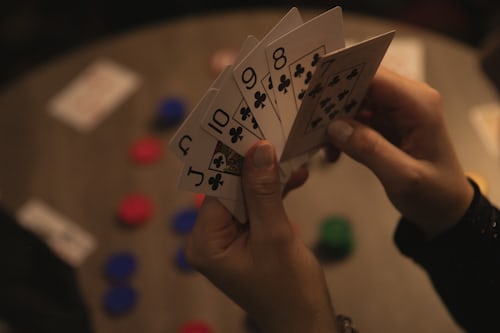
The rise of legal gambling in various parts of the world has turned casinos into vital economic engines. They create jobs, attract tourists, and often serve as venues for concerts, exhibitions, and events, blending entertainment with community engagement. This historical evolution underscores the significance of casinos in shaping cultural landscapes and local economies.
Social Interactions and Community Building
Casinos serve as social hubs where people from diverse backgrounds come together to share experiences. The communal aspect of gambling fosters connections, as players often engage in conversation, share strategies, or celebrate wins together. This interaction can lead to a sense of belonging and community, making casinos more than just places to gamble. And while some may start their journey into gambling out of curiosity, it becomes evident that understanding the environment is essential for beginners.
Moreover, casinos host events that bring communities together, such as charity fundraisers and themed nights. These gatherings enhance local culture and promote goodwill among residents. The social dynamic within casinos reflects broader societal trends, demonstrating how entertainment spaces can influence social cohesion.
The Psychological Appeal of Gambling
The allure of casinos extends beyond mere chance; it taps into deeper psychological factors. Many individuals are drawn to the excitement and thrill associated with gambling, providing a temporary escape from everyday life. This psychological appeal can lead to both positive experiences and challenges, as it might encourage excessive behavior in some.
Understanding the psychological elements at play is crucial for addressing responsible gambling. Casinos increasingly promote awareness and offer resources to help players make informed choices, thus reflecting a commitment to the well-being of their patrons while still providing an enjoyable experience.
Cultural Representation in Media and Arts
The depiction of casinos in films, literature, and art has further cemented their place in modern culture. From glamorous portrayals in Hollywood films to insightful narratives in novels, casinos often symbolize risk, reward, and the human condition. These cultural representations contribute to societal perceptions of gambling and its role in life.
Artistic explorations of casinos have sparked conversations about ethics, morality, and the impact of gambling on individuals and communities. As such, casinos serve not only as venues for entertainment but also as reflections of societal values and dilemmas, reinforcing their cultural significance.
Engagement in Online Casino Experiences
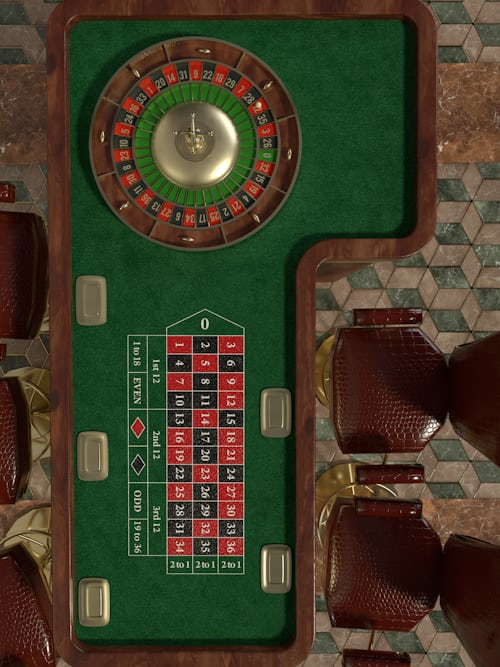
With the rise of digital platforms, online casinos are becoming increasingly popular, offering users a unique and convenient gaming experience. These platforms have broadened access to casino games, enabling players to engage from the comfort of their homes while still enjoying the thrill of gambling.
Online casinos often replicate the social aspects of physical venues through interactive features and live dealer games. This innovation continues to shape the cultural narrative surrounding gambling, making it accessible to a wider audience while keeping the spirit of community alive in virtual spaces. As technology evolves, the role of casinos in modern society will likely continue to expand, reflecting changing cultural norms and preferences.