Gambling's hidden effects on mental health and well-being
The Psychology of Gambling
Gambling can often be perceived as a simple pastime, an escape from daily stresses. However, the psychological implications can be profound and multifaceted. Individuals may engage in gambling as a way to cope with anxiety or depression, seeking a temporary thrill or distraction. This escapism, while initially providing relief, can spiral into a dependency that exacerbates underlying mental health issues. For those looking for variety, Shikaka offers a plethora of options, making it a popular choice among Canadian gamblers.
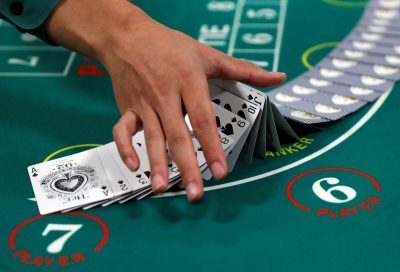
The thrill of potentially winning can trigger the brain’s reward system, releasing dopamine and creating feelings of excitement and pleasure. This biochemical reaction can lead individuals to chase these high feelings, inadvertently steering them toward problematic gambling behaviors. The line between enjoyment and addiction can blur, making it crucial for players to be aware of their motivations and the impact gambling has on their mental state.
Moreover, the societal and cultural perceptions surrounding gambling can further complicate its psychological effects. In many contexts, gambling is socially accepted, even celebrated, which may normalize excessive behavior. Individuals struggling with gambling addiction may feel a sense of shame or isolation, hindering them from seeking help. Understanding the psychological dynamics at play is essential for recognizing the hidden risks gambling poses to mental well-being.
The Risks of Gambling Addiction
Gambling addiction, also known as compulsive gambling, is a serious mental health disorder that can devastate lives. Unlike occasional gambling, where individuals maintain control over their spending and behavior, those with an addiction often experience an uncontrollable urge to gamble despite the negative consequences. This can lead to significant financial losses, relationship strain, and a decline in overall well-being.
Individuals struggling with gambling addiction often report feelings of anxiety, guilt, and depression. The cycle of gambling—winning, losing, and chasing losses—can create a turbulent emotional landscape. Players may gamble to escape these feelings, only to find themselves trapped in a vicious cycle. The impact on mental health is significant; studies show that individuals with gambling disorders are more likely to experience mood disorders, substance abuse issues, and suicidal thoughts.
Recognizing the signs of gambling addiction is crucial for early intervention. Signs can include neglecting responsibilities, lying about gambling habits, or using gambling as a means to escape from personal problems. With proper support and resources, individuals can break the cycle of addiction and reclaim their mental health, highlighting the importance of awareness and education around gambling behaviors.
The Impact on Relationships
Gambling doesn’t just affect the individual; it ripples through relationships, impacting family and friends. When someone struggles with gambling addiction, trust can erode, and relationships may become strained. Family members often experience feelings of betrayal and anxiety over financial instability, leading to conflict and emotional distress.
Additionally, the time and money spent on gambling can divert attention and resources away from meaningful connections. Important relationships may deteriorate as individuals prioritize gambling over family activities, responsibilities, or friendships. This shift can create feelings of isolation, further exacerbating the individual’s mental health issues.
Support systems are crucial for those impacted by gambling. Open communication and understanding are essential for rebuilding trust and facilitating recovery. Family therapy can help address the emotional fallout, allowing both the gambler and their loved ones to process feelings of hurt and betrayal while working toward healing and rebuilding connections.
Seeking Help and Support
Addressing the mental health effects of gambling requires a proactive approach. Professional support, including therapy and counseling, is essential for individuals struggling with addiction. Cognitive Behavioral Therapy (CBT) has shown promise in treating gambling disorders by helping individuals understand their thought patterns and develop healthier coping mechanisms.
Support groups, such as Gamblers Anonymous, provide a community for individuals to share their experiences and learn from others facing similar challenges. These environments foster understanding and compassion, reducing feelings of isolation. It’s essential to remember that seeking help is a sign of strength, not weakness, and recovery is a journey that many have successfully undertaken.
Moreover, educational initiatives aimed at raising awareness about gambling risks can help prevent addiction. Understanding the odds, knowing when to stop, and recognizing the signs of potential problems are crucial for maintaining a healthy relationship with gambling. By fostering an informed approach, individuals can enjoy gambling as entertainment without compromising their mental well-being.

Shikaka Casino: A Responsible Gambling Platform
Shikaka casino Canada exemplifies a platform that prioritizes responsible gambling. As Canada’s premier online gambling destination, it offers a wide range of games while emphasizing player safety and well-being. The platform provides tools designed to promote responsible gambling, including self-exclusion options and spending limits, allowing players to engage with the site in a controlled manner.
Shikaka casino also offers educational resources that inform players about the risks associated with gambling. By equipping users with knowledge, they aim to reduce the prevalence of gambling-related harm, fostering a healthier gaming environment. Their commitment to fair play and customer security ensures that users can enjoy their gaming experience with peace of mind.
Additionally, Shikaka casino features 24/7 customer support, providing players with access to assistance whenever needed. This level of support is critical for those who may need guidance regarding their gambling habits. By combining entertainment with responsibility, Shikaka casino serves as a model for how online gambling platforms can positively contribute to the mental health and well-being of their users.